Buying Guides
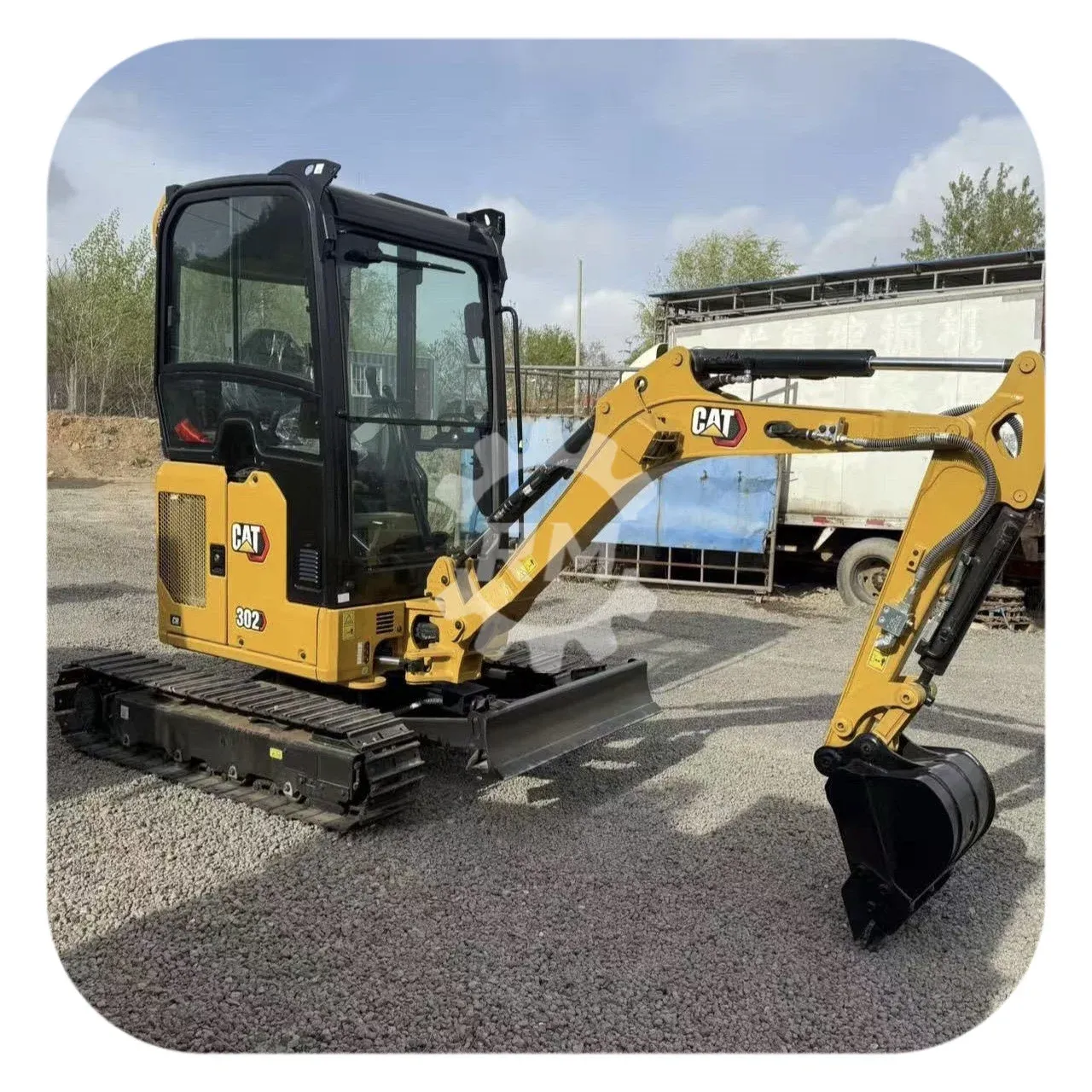
302 CR Buying Guide: Applications, Attachments & Inspection
Learn how to decide whether a 302 CR mini excavator fits your work, which attachments and configuration points to verify, how to inspect an exact unit, and what to do after delivery.
Applicable scope
Buyer education for the 302 CR model family and its common mini excavator applications. Production reference: 2019 onward (end year not recorded). Exact-unit specifications, attachment compatibility and condition must be verified before purchase.
Start with the job, not the model name
The right machine is the one that fits the material, working space, required reach or lift, daily production and transport limits. A model-family page is a planning reference; the serial number, configuration and installed work tools determine what an exact machine can safely do.
Questions to answer before shortlisting
- What is the narrowest access point, and is a retractable undercarriage required?
- What digging depth, dump height and lifting radius does the daily work require?
- Will the machine work beside walls or traffic where a compact-tail or zero-tail layout matters?
Model-reference facts to verify
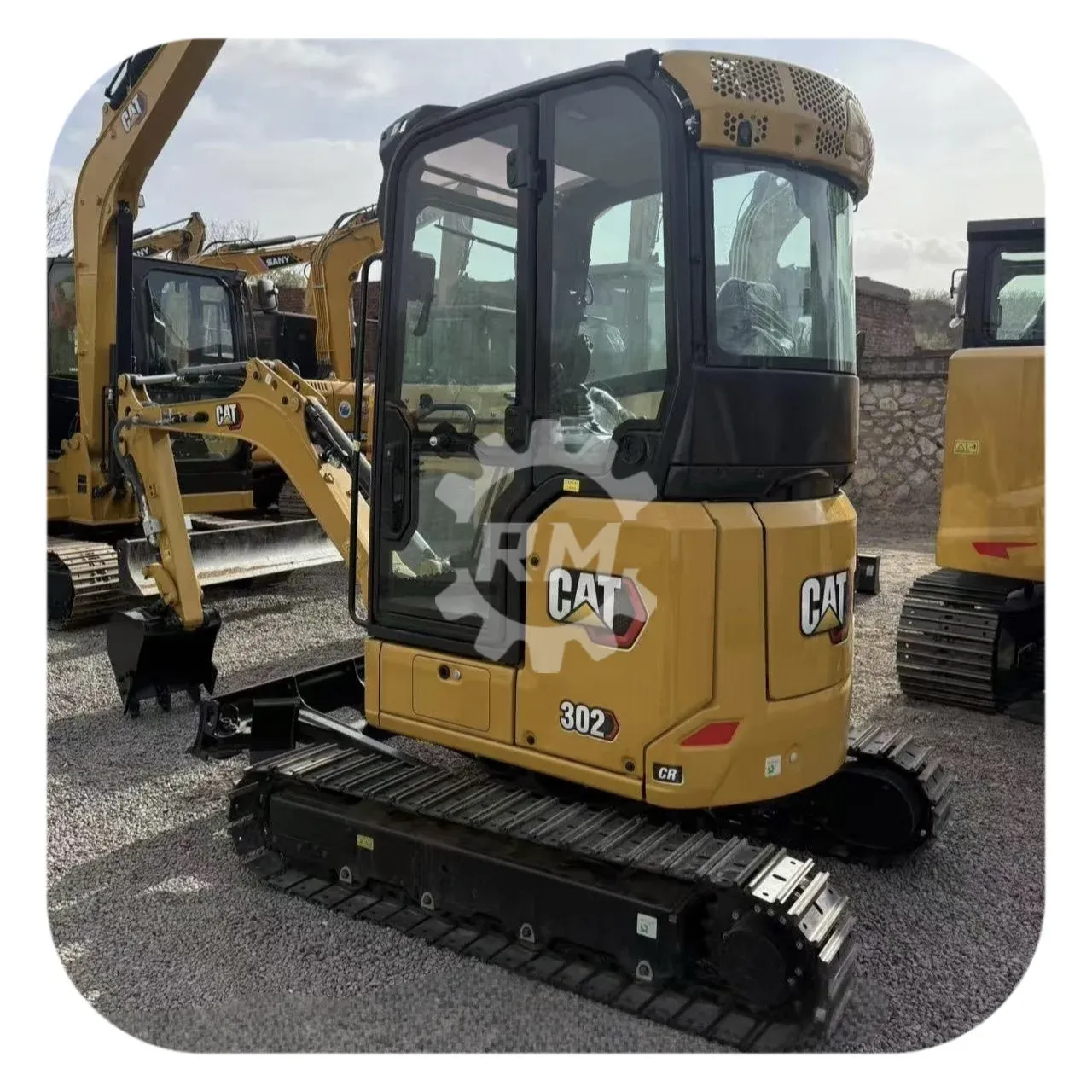
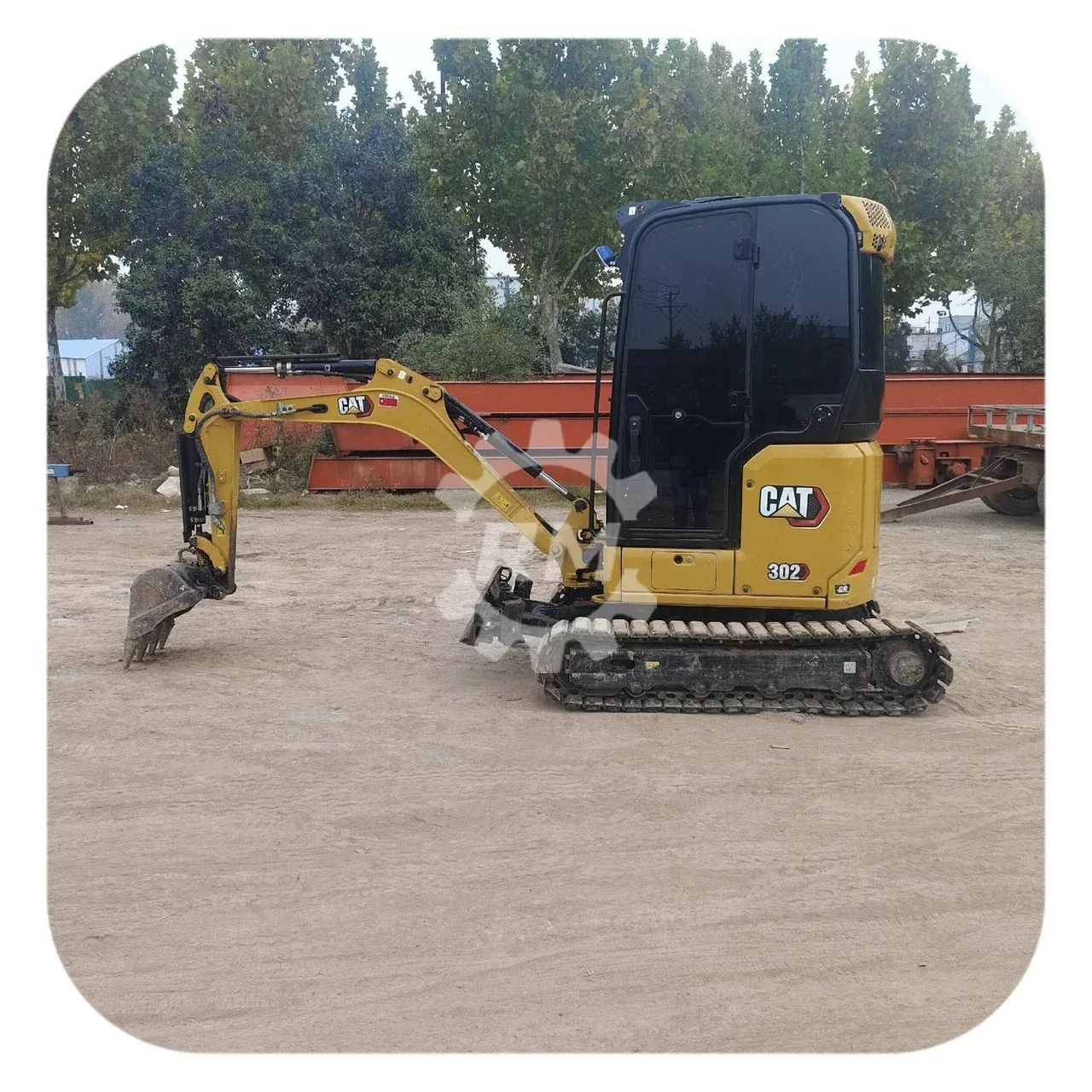
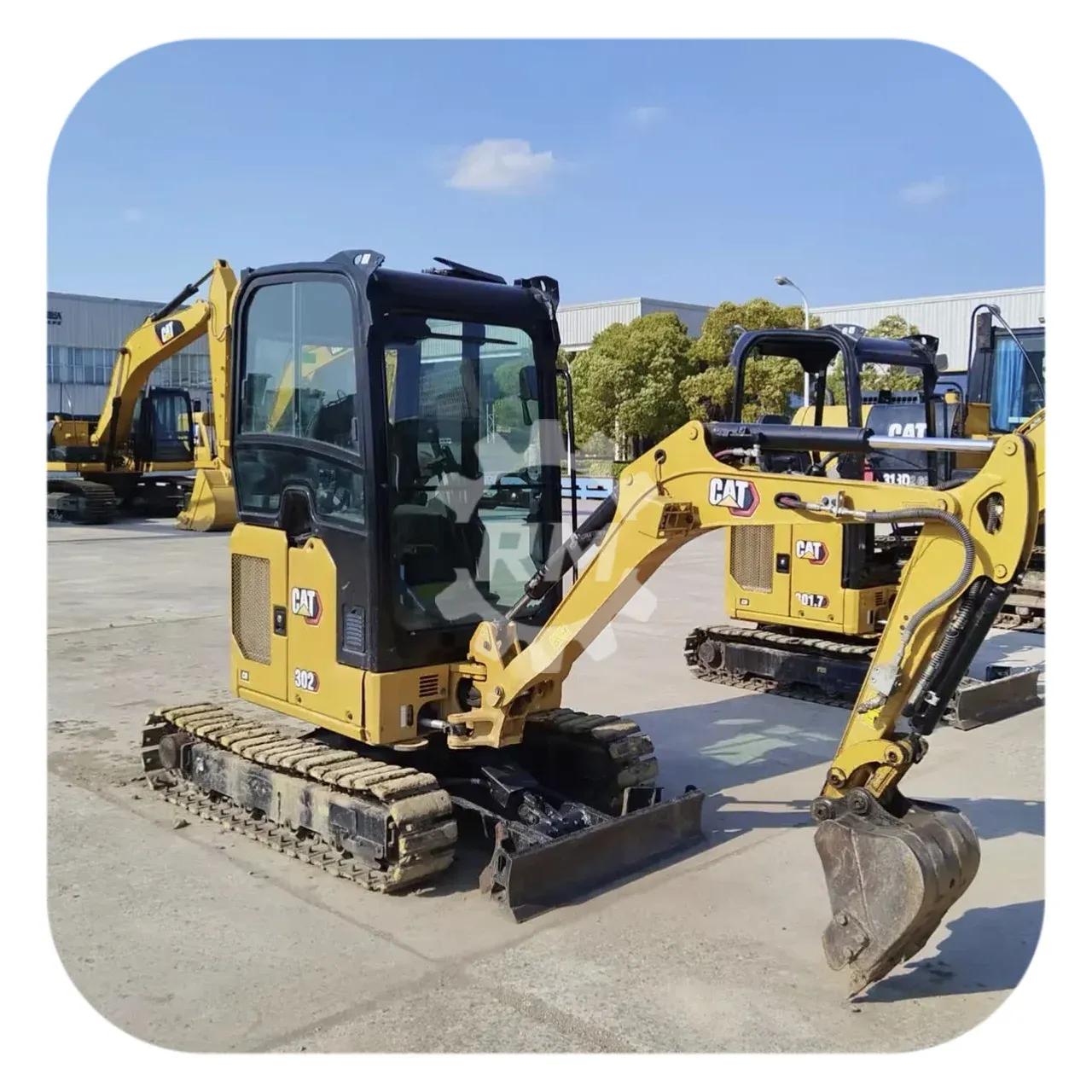
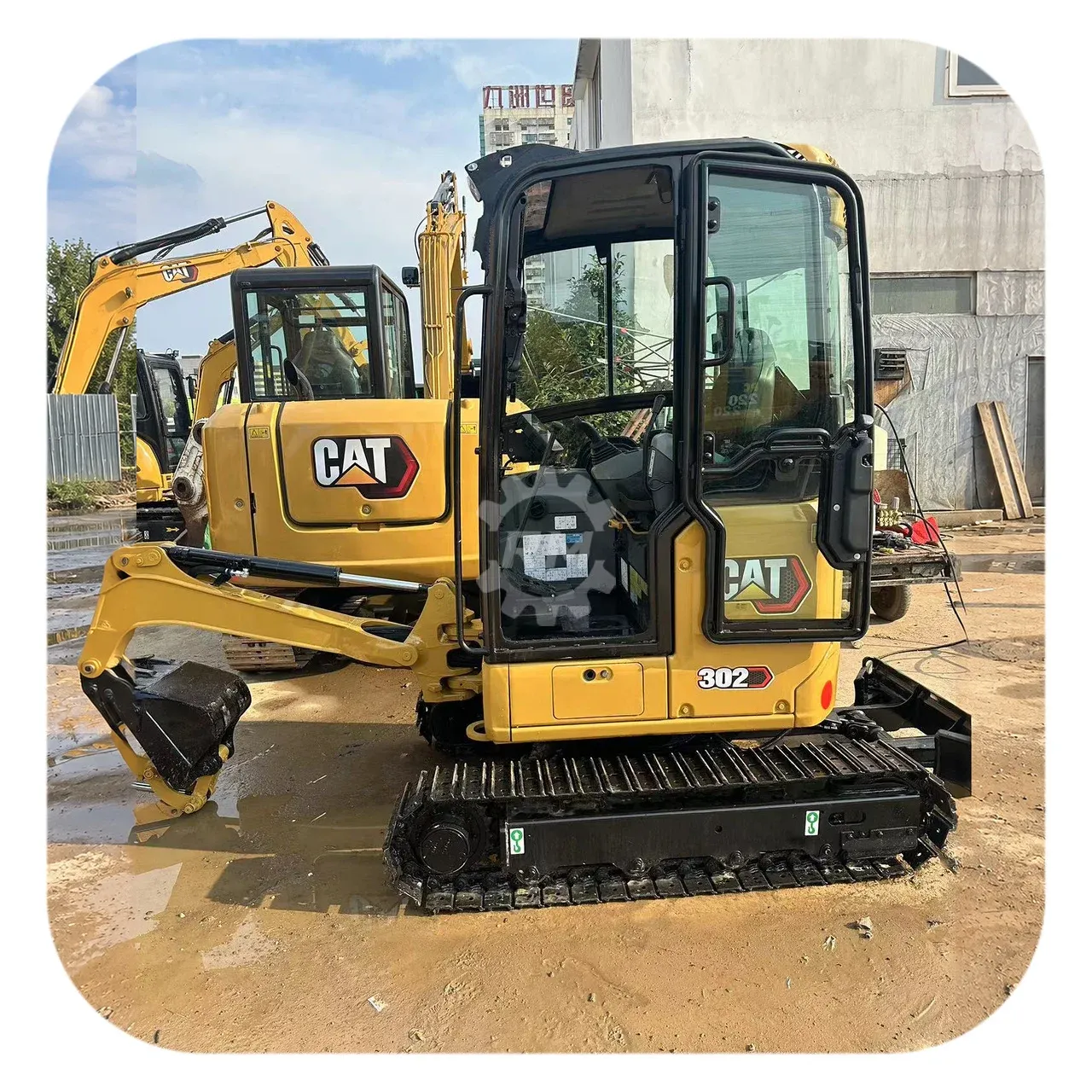
- Model: 302 CR
- Machine type: Mini Excavator
- Production reference: 2019 onward (end year not recorded)
- Reference operating weight: 2262 kg
- Reference engine: C1.1 · 15.7 kW
- Reference bucket capacity: Bucket and attachment dependent — confirm the exact installed work tool.
- Reference transport dimensions: Measure the exact unit before booking transport; attachments and configuration change dimensions.
These figures describe the model reference currently stored in the library. They are not proof of the exact unit. Ask for serial-number plate photos, configuration photos and measurements before relying on them for a purchase or freight booking.
Where this model can fit
Potential work areas include Utility and drainage trenching, Landscaping and farm work, Confined urban construction, Light demolition with approved attachments. Use the following as a job-planning checklist rather than a guarantee of performance:
- Utility and drainage trenching: confirm required reach, capacity, ground condition and daily production before selecting the exact configuration.
- Landscaping and farm work: confirm required reach, capacity, ground condition and daily production before selecting the exact configuration.
- Confined urban construction: confirm required reach, capacity, ground condition and daily production before selecting the exact configuration.
- Light demolition with approved attachments: confirm required reach, capacity, ground condition and daily production before selecting the exact configuration.
Attachments that can expand the work range
Common attachment directions for this machine class include:
- Narrow trenching bucket for utilities and pipe work
- Grading or tilting ditch-cleaning bucket for slopes and finishing
- Hydraulic hammer for concrete or light rock breaking
- Auger for posts, planting and foundation holes
- Thumb or grapple for logs, stone and demolition debris
- Compactor plate or wheel for trench backfill
- Quick coupler or tiltrotator when frequent tool changes justify the extra weight and cost
Check compatibility before buying an attachment
- Confirm pin diameter, pin spacing, stick width and coupler standard; a similar tonnage class does not guarantee fit.
- Match auxiliary hydraulic flow and pressure to the attachment, and confirm whether one-way, two-way or case-drain plumbing is required.
- Recheck rated lift, machine width and transport weight after adding a coupler, thumb, counterweight or heavy attachment.
Never order an attachment from the machine name alone. Confirm the exact carrier serial number, coupler or pin dimensions, attachment weight, hydraulic flow and pressure, return or case-drain needs, control pattern and any required guarding. Follow the manufacturer load chart and operating manual.
Before purchase: compare the machine with the job
- Write down the heaviest material, maximum working radius, required depth or lift height, access width and daily output target.
- Compare the reference weight and dimensions above with site access, ground bearing conditions and local transport limits.
- Decide which attachment will do most of the work, then check whether the machine is correctly configured to carry and power it.
- Compare ownership cost, not only asking price: wear parts, tires or undercarriage, attachment changes, fuel, service access and local parts lead time all matter.
- Separate model suitability from unit condition. A suitable model can still be a poor purchase if the exact unit has structural, hydraulic or documentation problems.
During purchase: inspect the exact unit
- Measure track and undercarriage wear, then test travel in both directions and listen for final-drive noise.
- Check boom, stick, blade and bucket pin play; inspect welds around high-stress joints for repairs or fresh paint.
- Run every hydraulic function at operating temperature and check drift, cylinder rods, hoses, auxiliary lines and swing play.
- Confirm the machine width, canopy or cab height and blade configuration against the real access route.
Request an uncut cold-start video, full walk-around, operating-temperature function test, serial and engine plate photos, hour-meter photo, wear measurements and clear images of leaks or repairs. Match every important claim to a dated photo, video, measurement or document.
Compare quotations on the same basis
- State whether the quotation is EXW, FOB, CIF or DDP and identify exactly which costs are included.
- List the machine configuration and every included attachment instead of accepting a model-only quotation.
- Separate the machine price, preparation, inland transport, port charges, ocean freight, insurance, destination fees and taxes where applicable.
- Confirm payment milestones, inspection acceptance criteria, loading method, document list and the remedy if the supplied unit does not match the written specification.
After delivery: safe start-up and ownership plan
Arrival inspection
- Photograph the machine and shipping seals before unloading, and record any transport damage.
- Match serial plates, attachments and documents to the packing list and purchase agreement.
- Check fluid levels, leaks, battery condition and loose transport restraints before starting.
- Use a trained operator and the correct manual for the first start and functional test; stop if warning lights, abnormal noise or leakage appears.
- Record the hour meter and complete a baseline service if the service history is incomplete.
Practical operating habits
- Set auxiliary flow to the work tool specification before using a hammer, auger or rotating attachment.
- Keep the machine level and the blade positioned for stability when the operating manual calls for it.
- Use the correct bucket width and tooth system for the material instead of forcing an oversized bucket through hard ground.
Parts and maintenance planning
- Create a baseline record for engine oil, hydraulic oil, coolant, filters, track tension and visible leaks on arrival.
- Keep spare bucket teeth, pins, bushes, filters and commonly damaged auxiliary-hose fittings for the planned work tools.
Service intervals and fluid specifications vary by serial number, region, engine and duty cycle. Use the correct operation and maintenance manual for the exact machine; do not copy intervals from a similar-looking model.
Red flags that should pause the purchase
- Cracks or plated repairs around the boom foot or swing frame
- Uneven travel speed or abnormal final-drive noise
- Hydraulic drift after the oil is warm
- A claimed attachment package with no flow, pressure or coupler compatibility evidence
Also pause if the seller will not provide identity evidence, refuses a warm-machine function test, or changes the included configuration after quotation. Resolve the discrepancy in writing before paying.
Information to send when asking for a matching machine
- Model or acceptable alternative models
- Intended application and material
- Required attachments and coupler standard
- Maximum width, height, weight or transport restriction
- Preferred production-year and working-hour range
- Destination country and port
- Required inspection evidence and compliance documents
- Budget basis and preferred trade term
Frequently asked questions
Is every 302 CR configured the same way?
No. Engine, boom or stick, cab, undercarriage, counterweight, hydraulics, controls and attachments can vary by year and market. Confirm the exact serial number and configuration.
Which attachment should be selected first?
Start with the main job and material. Select the bucket, blade, fork or powered tool that meets that work, then verify that the carrier has the required stability, capacity, coupler and hydraulic circuit.
Are working hours enough to judge a used machine?
No. Hours matter, but maintenance quality, duty cycle, structural condition, wear measurements and a hot function test usually provide more decision value than the meter alone.
What should be checked before shipping?
Confirm exact dimensions and weight, attachment packing, loading method, lifting or lashing points, cleaning requirements, battery and fluid rules, and the destination document list before booking freight.
Sources and references
- 302 CR model reference recorded in the model library — https://h-cpc.cat.com/cmms/v2?&f=product&it=product&cid=406&lid=en&sc=US&gid=154&pid=730743084454966
- Caterpillar mini excavator attachment and owner resources — https://www.cat.com/en_US/by-industry/construction-industry-resources/attachments/mini-excavator-attachments.html
Verify before purchase
Request evidence for the exact machine
Send the model, destination and inspection items you need. We will confirm availability before quotation.
Ask an inspection question